Durable Surfaces Built for Heavy Traffic
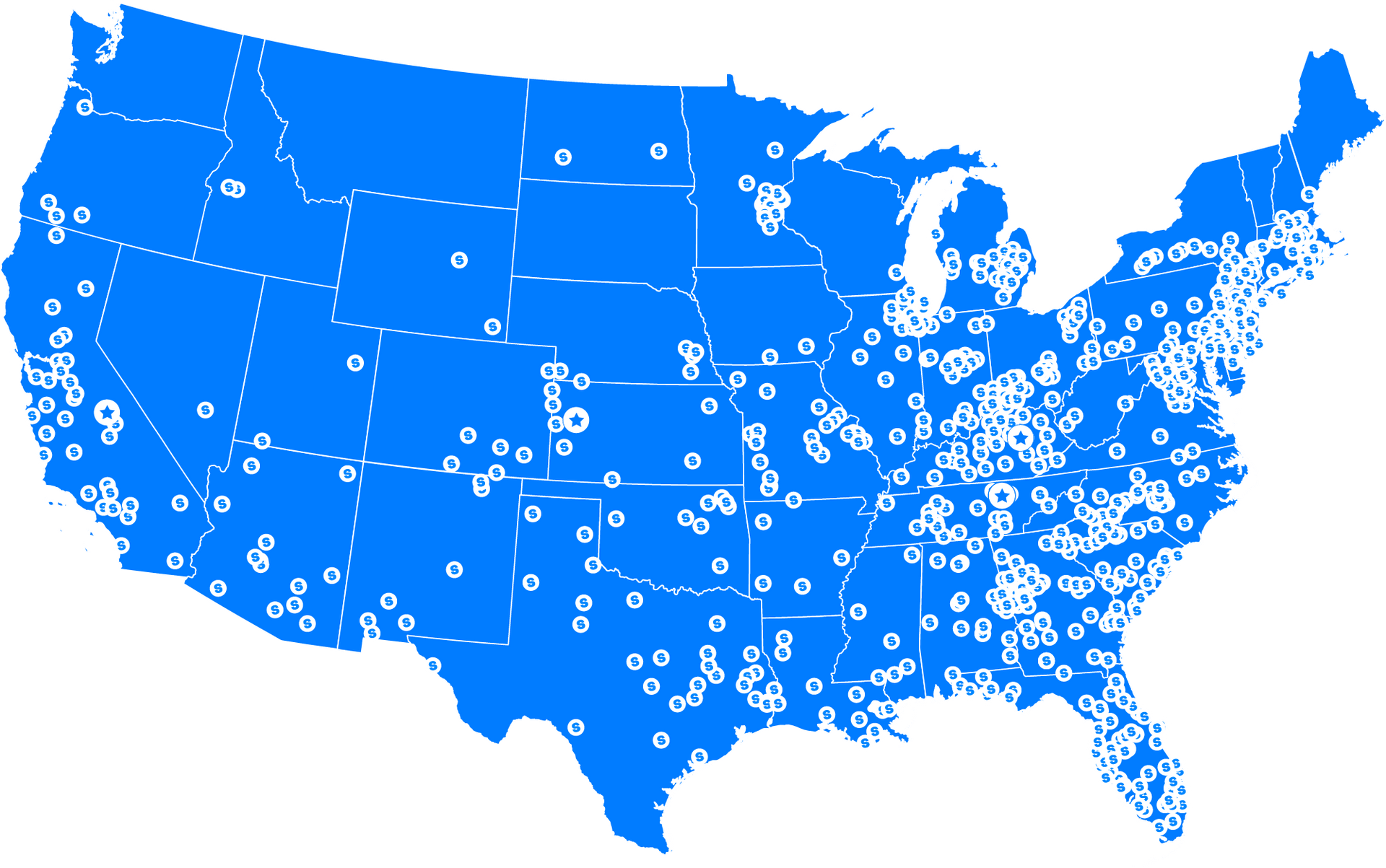
Concrete and Paving services across 41 states for cracked parking lots, uneven walkways, and failing site infrastructure
Spiff Contracting LLC delivers concrete and paving services designed for commercial properties and multi-site portfolios where surface failure creates liability and disrupts operations. You manage facilities where parking lots develop potholes that damage tenant vehicles, where walkway cracks become trip hazards, or where deteriorating site infrastructure undermines curb appeal and safety standards. This service addresses those conditions through installation, repair, and resurfacing methods built for durability in heavy-use environments across Columbus, Cincinnati, Chicago, and throughout the nation.
The work involves evaluating existing surface conditions, removing failed sections, preparing subgrade to support anticipated loads, and placing concrete or asphalt according to specifications that account for drainage, traffic patterns, and climate exposure. Repairs target specific failures such as settlement cracks, surface spalling, or edge deterioration, while resurfacing applies new material over structurally sound bases to restore appearance and extend service life. New installations begin with site grading, aggregate placement, and reinforcement where required, followed by finishing that meets commercial standards for slope, texture, and joint placement.
Contact Spiff Contracting LLC to schedule a sitework and paving estimate for your property or portfolio..
What You Gain from Surfaces Built to Last
You receive surfaces engineered to withstand delivery trucks, employee parking, and daily foot traffic without premature wear. The installation process includes compaction testing of subgrade materials, proper curing procedures for concrete pours, and attention to expansion joints that prevent random cracking. Asphalt installations incorporate tack coats, controlled compaction temperatures, and edge details that resist raveling under load.
After completion, you will see parking areas free of standing water, walkways with consistent slopes that direct runoff, and surfaces that support maintenance equipment without rutting or breaking apart. Spiff Contracting LLC applies the same methods across every location, so properties in different markets receive uniform quality. Tenants notice smoother access, reduced maintenance calls, and fewer safety incidents tied to surface conditions.
The service does not include landscaping, utility relocation, or permit acquisition unless specified in the project scope. Resurfacing requires existing pavement to meet minimum structural criteria; surfaces with widespread base failure need full-depth replacement. Timing depends on weather windows suitable for curing and compaction, and scheduling coordinates with tenant access needs to minimize disruption.
These answers address common concerns about surface work, material choices, and project planning for commercial sites.
Questions About Commercial Concrete and Paving
What determines whether a parking lot needs resurfacing or complete replacement?
You assess the underlying base through core samples or visual inspection of crack patterns; if the aggregate base remains stable and drainage functions properly, resurfacing restores the surface, but widespread alligator cracking or settlement indicates base failure requiring full removal and reconstruction.
How long does new concrete need to cure before allowing vehicle traffic?
You wait a minimum of seven days for standard concrete mixes to reach sufficient strength for light vehicle loads, though full strength develops over twenty-eight days; high-early-strength mixes reduce waiting time when project schedules demand faster turnaround.
Why do some walkways develop cracks shortly after installation?
Cracking typically results from inadequate subgrade compaction, missing or improperly spaced control joints, or pouring during temperature extremes that cause rapid moisture loss; proper joint placement allows concrete to crack along planned lines rather than randomly across the surface.
When does asphalt overlay make sense compared to full-depth asphalt replacement?
You choose overlay when the existing pavement shows surface wear but retains structural integrity, typically after fifteen to twenty years depending on traffic and maintenance history; full replacement applies when the base has failed or when adding overlay thickness would create drainage problems or conflicts with adjacent surfaces.
What site conditions affect concrete or asphalt installation timing?
You work around freeze-thaw cycles that prevent proper curing, high summer temperatures that accelerate asphalt setup and complicate finishing, and seasonal rain patterns that delay subgrade preparation; scheduling during moderate weather windows ensures materials perform as specified.
Spiff Contracting LLC coordinates paving projects with your operational calendar to minimize tenant impact and deliver surfaces that meet your long-term performance requirements. Reach out to discuss site conditions, material options, and scheduling for your next concrete or asphalt project.
We’re Nationwide!
Utilizing our vast network of tried & true tradesmen across 41+ states, we can complete any task from painting to masonry to demolition quicker than you can say “in a jiff.”