Structural Repairs That Preserve Building Integrity
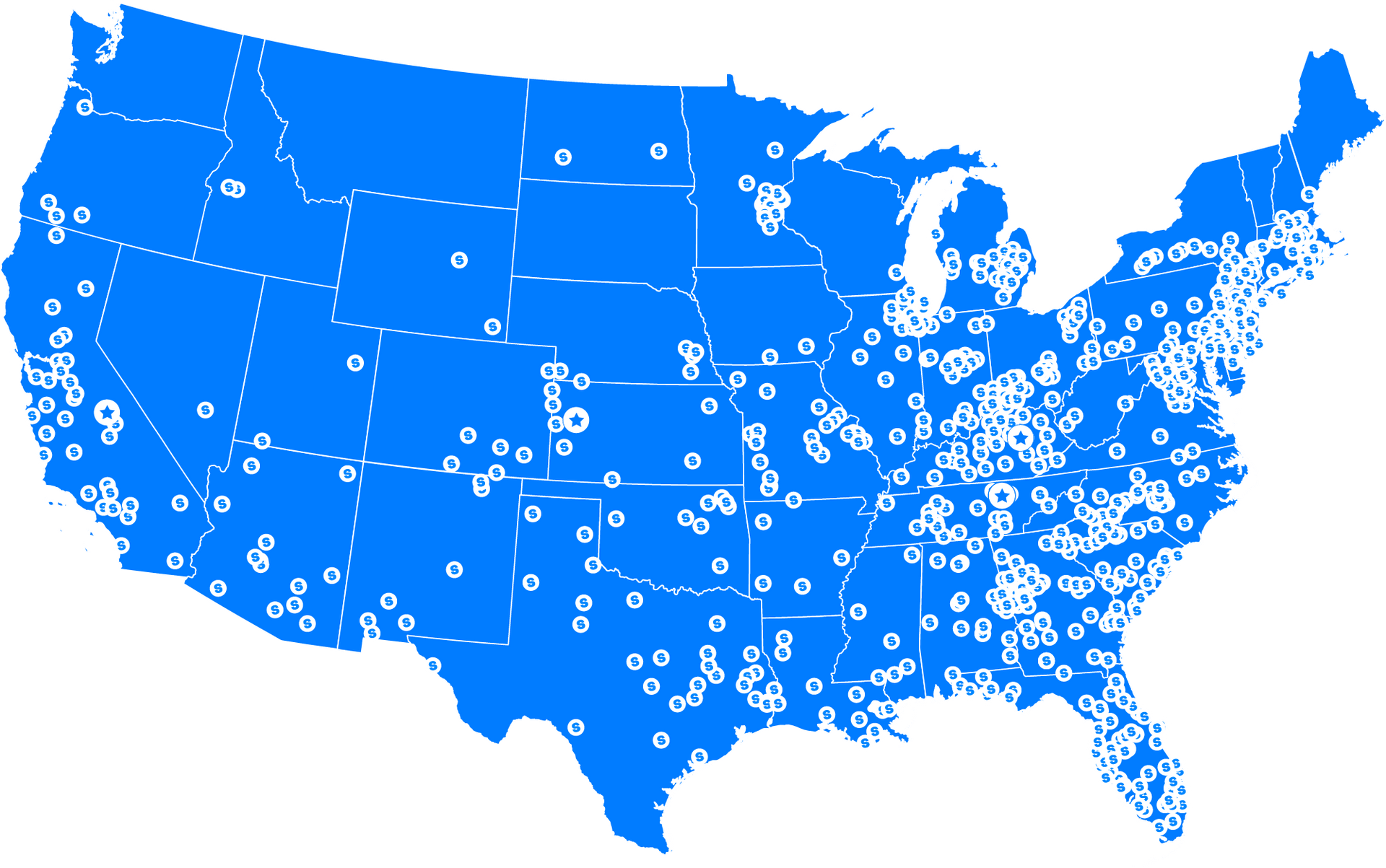
Masonry Services in across 41 states for crumbling mortar joints, cracked brick facades, and failing exterior walls
Spiff Contracting LLC provides masonry work that addresses structural failures and appearance problems affecting commercial buildings and residential properties. You see mortar joints deteriorating to the point where bricks shift under wind load, facade cracks that allow water penetration behind wall assemblies, or lintels that sag and transfer loads incorrectly. This service restores structural integrity and visual appeal through repairs, restoration, and new installations delivered by skilled crews across multiple markets.
The work begins with evaluating wall conditions to identify failed mortar, displaced units, hidden moisture damage, or inadequate support for openings and corners. Repairs involve removing deteriorated material, cleaning joints to proper depth, and repointing with mortar matched to original composition and color. Restoration projects may include brick replacement, lintel reinforcement, parapet rebuilding, or wall tie installation where original construction lacks adequate anchorage. New masonry installations follow engineering specifications for reinforcement placement, flashing integration, and movement accommodation to prevent future cracking.
Contact Spiff Contracting LLC for a masonry assessment that identifies specific repairs and restoration needs for your building.
How Skilled Masonry Work Protects Your Investment
You receive work performed by masons who understand bond patterns, mortar chemistry, and the structural role of masonry in building envelopes. The process includes matching existing brick dimensions and colors, grinding joints to uniform depth without damaging unit edges, and mixing mortar to achieve proper workability and strength. Restoration involves selective demolition techniques that preserve sound material while removing only what has failed.
After completion, you will see walls with uniform joint profiles, bricks properly aligned and secured, and facades that shed water away from the building interior. Spiff Contracting LLC applies consistent standards across every project, so buildings in different locations receive the same attention to structural performance and finish quality. Property managers notice fewer leaks, improved thermal performance, and exteriors that maintain their appearance through seasonal weather cycles.
The service does not include window replacement, roof flashing modifications, or interior finishes unless integrated into a larger renovation scope. Restoration work may reveal concealed damage requiring additional structural support or moisture remediation. Timing depends on weather suitable for mortar curing, with cold temperatures and heavy rain limiting outdoor masonry work during certain months.
These responses clarify material selection, repair methods, and performance expectations for masonry projects.
Common Questions About Masonry Repairs and Restoration
What causes mortar joints to deteriorate faster than the bricks themselves?
You observe differential weathering because mortar intentionally uses softer materials than masonry units, allowing joints to absorb movement and moisture while protecting bricks; when mortar becomes harder than units due to incorrect repointing with portland cement, the bricks spall instead.
How do masons match mortar color and texture to existing joints?
You achieve consistency by analyzing original mortar composition through lab testing or field evaluation, then adjusting sand type, cement content, and pigment ratios in small batches until the cured sample matches surrounding work under natural light.
Why do some brick facades develop step cracks along mortar joints?
Cracking follows joint lines when differential settlement occurs in the foundation, when lintels fail and redistribute loads, or when thermal expansion exceeds the capacity of existing movement joints; repairs require addressing the underlying structural cause before repointing.
When does partial repointing make sense versus full facade restoration?
You repoint selectively when damage remains localized to specific exposures such as parapets or south-facing walls, but you restore the entire facade when deterioration affects more than thirty percent of the surface or when concealed damage behind the veneer demands comprehensive anchor and flashing upgrades.
What masonry challenges are common that can affect repair planning?
You account for local freeze-thaw cycles that accelerate mortar breakdown, moisture patterns that concentrate deterioration on certain building faces, and accessibility constraints that require staging or lift equipment for upper-level work.
Spiff Contracting LLC coordinates masonry projects with your building schedule and integrates repairs into broader maintenance or renovation plans. Reach out to discuss wall conditions, material matching, and project scope for your property.
We’re Nationwide!
Utilizing our vast network of tried & true tradesmen across 41+ states, we can complete any task from painting to masonry to demolition quicker than you can say “in a jiff.”